
Ayurveda
Ayurveda is an ancient healing wisdom that has served humanity for over 5,000 years. According to tradition, Ayurveda is part of the Atharva Veda, which contains the earliest records of herbal medicine, the balance of body and mind, and the relationship between humans and nature. This portion is considered the foundation of what we now know as Ayurvedic medicine.
Although it originated in Indian tradition, Ayurveda has been passed down as a heritage for everyone – and it is just as alive today as it was when it first emerged.
Why? Because it is based on universal principles of balance among the elements within us.
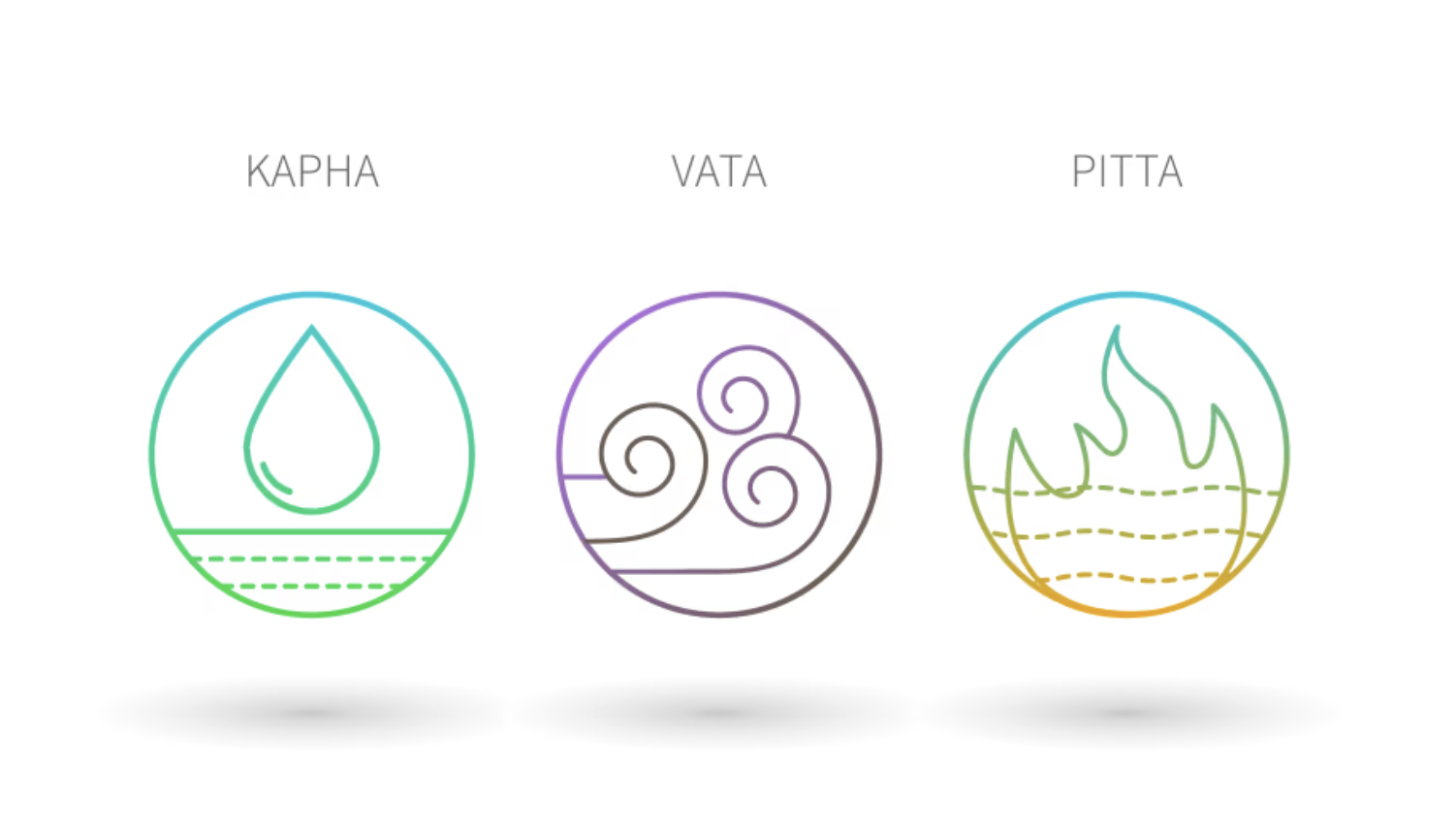
Every person is as unique as a fingerprint. Within each of us, the five elements – earth, water, fire, air, and space – intertwine in a special combination from the moment of conception. This unique combination is called a dosha.
When our doshas are in balance, we feel light, clear, and full of vitality. When they are out of balance, illness can arise.
Ayurveda teaches us how to regain inner balance through diet, massages, herbal remedies, spices, daily routines, and subtle therapies. Learn more in our BLOG.
Discover your dosha, explore Ayurvedic massages and treatments, and meet the therapists who support you on your journey to balance.
How does Ayurveda heal a person?
Ayurveda nurtures a layered and deeply human approach to the individual — one that has evolved over thousands of years.
It never views a person through the lens of illness, but through the lens of imbalance. Illness is only a messenger, an invitation to look a little deeper.
If you decide to have an Ayurvedic assessment, you will quickly notice how different it is from the Western medical approach.
In Ayurveda, everything matters: not only the symptoms, but also the way you walk, speak, sleep, eat, and experience stress. What cannot be seen is equally important — emotions, energy, character, inner dynamics.
Ayurvedic philosophy speaks of the five layers of existence — pancha kosha. These are the “sheaths” or bodies that surround our essence (atman), each influencing our physical and mental well-being.
Annamaya Kosha
Physical body
Pranamaya Kosha
Energetic body
Manomaya Kosha
Mental–emotional body
Vijnanamaya Kosha
Intuitive body
Anandamaya Kosha
Bliss body
All of these layers interweave and influence one another.
This is why physical symptoms are often a reflection of imbalance in the deeper bodies.
When we work with the whole person — not just with a single complaint — healing becomes a natural process.
Balance instead of perfection
Ayurveda teaches us how to live in harmony with our own nature: how to recognize the needs of the mind, spirit, and body, and how to align them. It does not demand perfection — only balance that is real and sustainable. It supports the body’s natural ability to heal through personalized therapies and lifestyle practices:
- herbal preparations — herbs, herbal blends, and natural formulations
- dosha-based nutrition — individually tailored, aligned with digestion and the season
- lifestyle routines — daily and seasonal practices that restore rhythm and stability
- oil therapies and massages — nourish the tissues, calm the nervous system, enhance circulation and detoxification
- panchakarma — an Ayurvedic protocol for deep cleansing and rejuvenation
- yoga and pranayama — movement and breath that regulate energy and the mind
- meditation and mental techniques — presence, clarity, and calming of all systems

Ayurveda does not “fix” a person. It brings them back to where they are healthiest: to themselves.